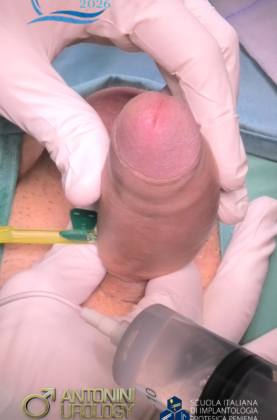
Erectile dysfunction (ED) is a clinical condition that significantly impacts the quality of life of men and their partners. It is defined as the persistent inability to achieve or maintain an erection sufficient for satisfactory sexual intercourse. ED can result from physical factors, psychological issues, or a combination of both, often linked to conditions such as andropause, diabetes, cardiovascular diseases, obesity, and depression. Additionally, it may be a consequence of surgical procedures such as prostatectomy or cancer treatments. Andrological surgery plays a crucial role in the advanced treatment of erectile dysfunction, including procedures like prosthetic surgery, penile reconstruction, urethral surgery, and genital oncological surgery.
The 2nd Turin Advanced Course of Reconstructive Urology, held on June 8-9, 2017, brought together global experts in andrology and robotics to discuss innovations in reconstructive surgery. Topics included advanced penile prosthesis implantation, urethral reconstruction, and surgical approaches to genital oncology. The course emphasized the importance of a multidisciplinary approach to improving clinical outcomes and offering new hope to patients.