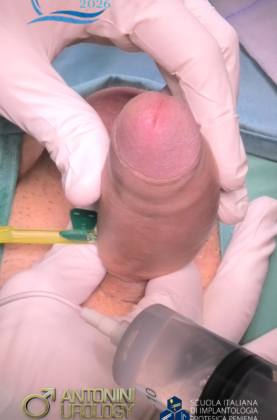
A short frenulum tear is a condition that can be painful and debilitating, especially if not treated properly. The frenulum is a small structure that connects the bottom of the tongue or lip to the surrounding tissue. When this structure is too short, it can cause difficulty in tongue or lip movement, leading to functional and painful problems. However, a traumatic tear of the short frenulum can occur due to an accident, injury, or poorly managed surgical procedure. In these cases, it is important to understand the different surgical solutions available, such as frenulotomy and frenuloplasty.
What causes a short frenulum tear?
A short frenulum tear can be caused by various factors, including direct trauma to the frenulum area, injuries during everyday activities like eating or speaking, or even improper surgery. A traumatic injury can occur due to an accidental blow to the mouth, during sports, or accidents. In these cases, the frenulum tissue may tear or stretch abnormally, causing pain and difficulty in oral movements.
Frenulotomy and Frenuloplasty: Surgical Solutions
When a short frenulum causes a tear or other issues, surgical solutions such as frenulotomy and frenuloplasty can be considered. These procedures are performed to restore the proper function of the frenulum and alleviate painful symptoms. Frenulotomy is a procedure that involves cutting the frenulum to lengthen it and improve tongue or lip mobility. This technique is generally less invasive and can be performed under local anesthesia.
On the other hand, frenuloplasty is a more complex procedure that involves reshaping the frenulum to make the structure more elastic and functional. This type of surgery is indicated in cases where the frenulum is particularly short or rigidly attached to the surrounding tissues, impairing movement. Both procedures require a thorough pre-operative evaluation and proper planning to ensure a successful outcome and minimize risks.
Post-Operative Recovery and Precautions
Recovery after a frenulotomy or frenuloplasty is usually quick but requires attention. Patients may experience mild pain or discomfort, which can be alleviated with medications prescribed by the doctor. Additionally, it is advised to avoid activities that could stress the treated area, such as eating hard or hot foods, to prevent damage to the surgical site. Regular follow-up with the surgeon is essential to monitor healing and ensure that the frenulum is healing properly.
In conclusion, a short frenulum tear is a condition that can cause significant discomfort, but with proper surgical treatment, such as frenulotomy or frenuloplasty, the problem can be resolved and the patient’s quality of life can be improved. It is essential to consult with an expert in oral or maxillofacial surgery to determine the most suitable solution for each specific case.
The surgeries you see in this video were performed by Prof. Gabriele Antonini. Some of these images, intended for a medical audience and educational purposes, may be intense for those not accustomed to surgical scenes.